How Fearless Are You?
Discover your fearless archetype and get strategies to walk fully in your purpose in life and business.
How AI Can Help Churches Increase Their Impact
 Nerissa Golden
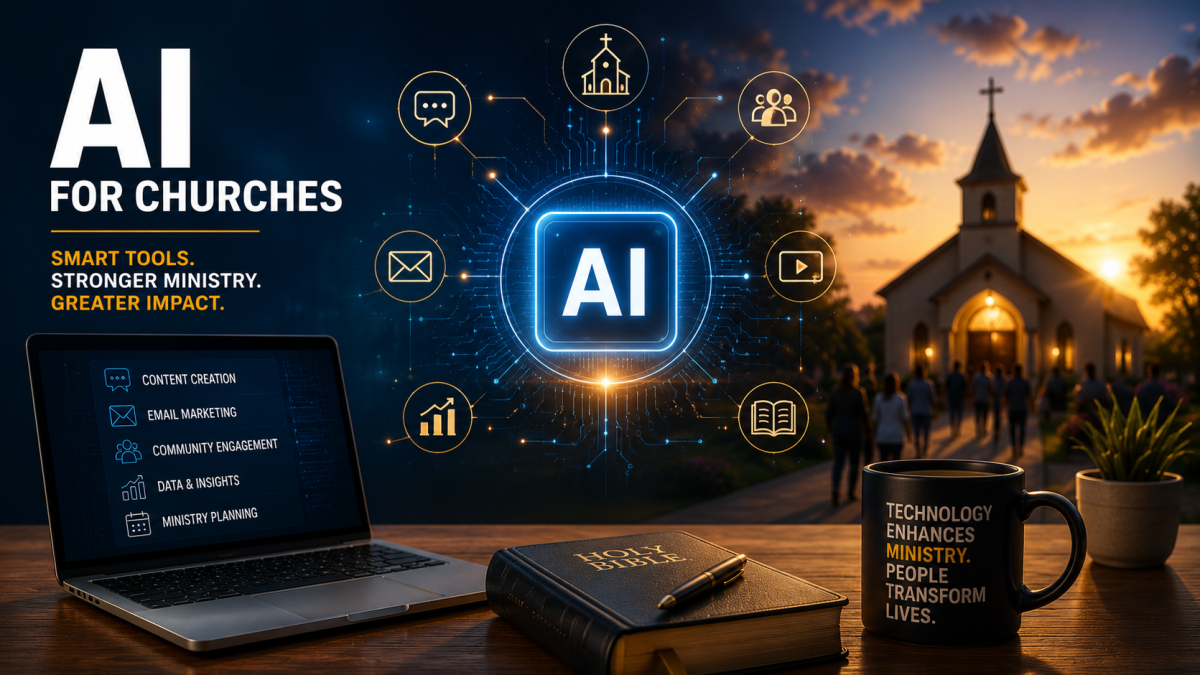
Learn how your church can increase its reach by being discoverable by Artificial Intelligence (AI).
Why Artificial Intelligence Creates New Opportunities for Ministry
For many church leaders, conversations about Artificial Intelligence can feel uncomfortable.
Some are excited by it.
Others are cautious.
Many simply feel overwhelmed trying to keep up with how quickly technology is changing.
But beneath all the headlines and hype, there is a quieter and more practical question churches should be asking:
How can we use these tools to serve people better?
Because at its best, AI is not about replacing ministry.
It is about supporting it.
The Mission Has Not Changed
Churches are still called to:
- disciple people
- spread the Gospel
- encourage communities
- support families
- bring hope to difficult situations
None of that changes because technology evolves.
What has changed is how people communicate, search for answers, and stay connected.
Today, someone struggling with anxiety may search online for encouragement before speaking to anyone.
A young adult may listen to sermons through YouTube or podcasts during a commute.
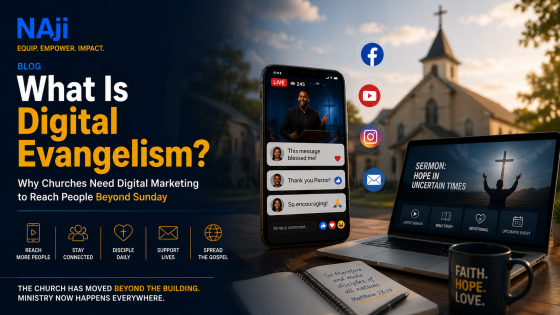
A former church member living abroad may stay spiritually connected through livestreams and devotionals shared digitally.
People are already living much of their lives online.
The church now has an opportunity to meet them there more intentionally.
Many Churches Are Carrying Too Much
One of the realities many pastors quietly face is exhaustion.
A single church leader may already be responsible for:
- preaching
- counselling
- administration
- outreach
- social media
- event planning
- follow-up communication
Often with very little support.
That is why AI presents an opportunity, especially for smaller churches and ministry teams.
Not because AI can replace people.
It cannot.
But because it can help churches save time and communicate more consistently.
AI Helps Churches Steward Their Content Better
Most churches are already creating valuable content every week.
Sermons.
Bible studies.
Prayer sessions.
Devotionals.
Testimonies.
The problem is not a lack of content.
The problem is that much of it disappears after Sunday.
AI tools can help churches extend the life of those messages.
One sermon can become:
- a short social media post
- an email devotional
- a blog article
- a podcast summary
- a YouTube description
- discussion questions for small groups
Instead of starting from scratch every week, churches can build systems that allow their message to travel further.
Small Churches Can Benefit Too
There is a misconception that digital ministry is only for large churches with media departments and expensive equipment.
That simply is not true anymore.
Many AI tools are accessible, affordable, and designed to simplify tasks that once took hours.
A pastor with a smartphone and a laptop can now:
- transcribe sermons automatically
- draft newsletters faster
- organise teaching notes
- create social captions
- improve church website visibility
This does not remove the human side of ministry.
It creates more room for it.
Because when leaders spend less time overwhelmed by administration, they often have more time for people.
AI Can Help Churches Reach Beyond Their Walls
Churches are no longer limited to the people physically sitting in the building.
AI and digital tools can help ministries:
- reconnect with diaspora communities
- support members during the week
- communicate more clearly
- make teachings easier to discover online
A message shared from a small church in the Caribbean can now encourage someone in London, Toronto, or New York.
That is powerful.
Not because technology itself is powerful, but because the message still matters.
Technology Should Never Replace Authenticity
This part is important.
People do not need churches to become robotic or performative online.
They still need:
- compassion
- honesty
- prayer
- wisdom
- community
- genuine connection
AI should support communication, not remove humanity from it.
The strongest digital ministries will not be the ones using the most technology.
They will be the ones using technology thoughtfully while still remaining deeply human.
The Opportunity Ahead
Churches have always adapted to the communication tools of the time.
From handwritten letters to radio broadcasts, television ministries to livestreaming, the methods have evolved while the mission remained the same.
AI is simply another tool.
One that can help churches:
- communicate more consistently
- preserve teachings
- support members daily
- disciple beyond Sunday
- expand their reach with limited resources
The churches willing to learn and adapt thoughtfully will be better positioned to serve people in a rapidly changing world.
Not because technology is the answer.
But because people are still searching for hope, connection, and truth, and the church now has more ways than ever to reach them.
Ready to Use Digital Tools More Intentionally in Your Ministry?
Explore our practical church growth training bundles designed to help pastors and ministry teams use:
- AI tools
- digital marketing
- email communication
- outreach systems
to grow their church’s visibility, communication, and impact.
Explore the Church Growth Training Bundles and equip your ministry for the future of digital evangelism.
Categories: : artificial intelligence, content creation, Online Classes, churches and non-profits