How Fearless Are You?
Discover your fearless archetype and get strategies to walk fully in your purpose in life and business.
What Is Digital Evangelism?
 Nerissa Golden
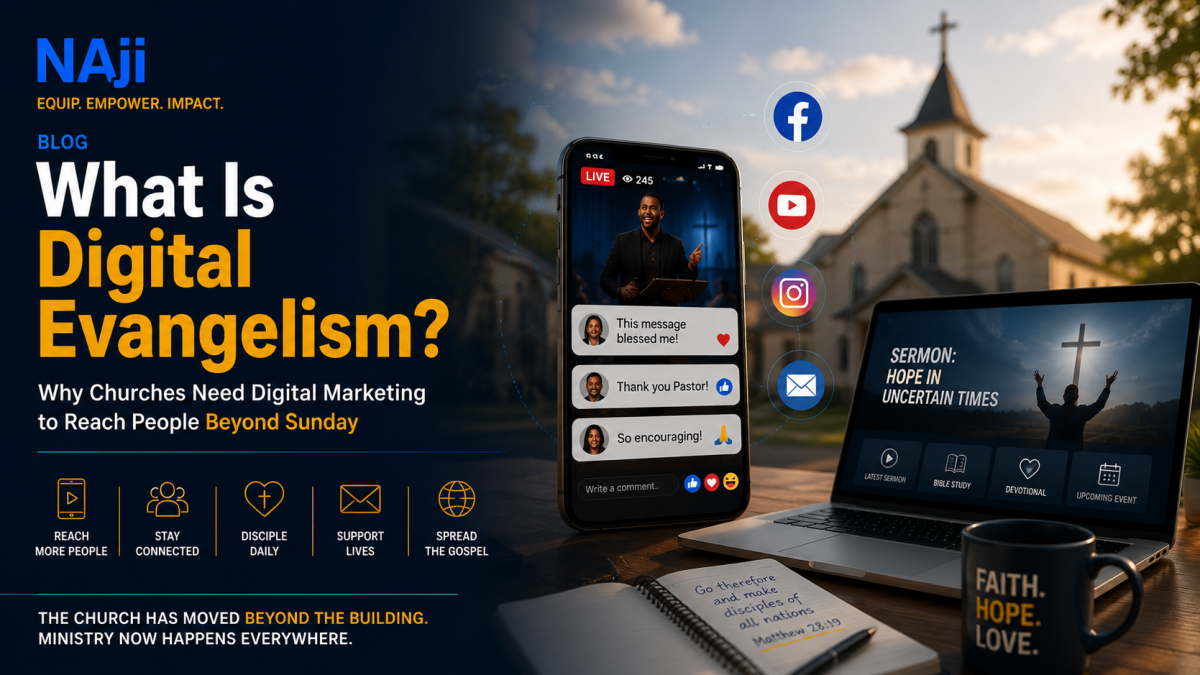
Discover how using digital communication tools can increase the impact of your ministry beyond Sunday.
The same digital strategies that companies use to sell products and promote their brand, in the hand of a committed follower of Christ becomes a powerful evangelistic tool.
Digital evangelism is the strategic use of digital platforms and communication tools to spread the Gospel, disciple believers, and support communities online.
For modern churches, digital evangelism includes:
- social media ministry
- email marketing
- livestreaming services
- sermon clips
- podcasts
- church websites
- YouTube content
- WhatsApp communication
- online community engagement
The mission of the church has not changed.
But the way people communicate, search for answers, and build relationships has changed dramatically.
Today, many people encounter ministry online before they ever enter a church building.
That is why digital marketing has become one of the most important tools for modern ministry.
Why Is Digital Evangelism Important for Churches?
If there was one thing that the pandemic brought home to churches globally, is that church is not limited to physical buildings. The bible reminds us that where two or three are gathered, God is in the midst. (Matthew 18:20) Churches were forced to hold online services, meet in parking lots with everyone sitting in their cars or worshipping alone.
People now:
- search Google for prayer and encouragement
- watch sermons on YouTube and Facebook
- follow churches on Instagram
- receive devotionals through email newsletters
- connect through WhatsApp groups and online communities
A church that only communicates on weekends risks losing connection throughout the week.
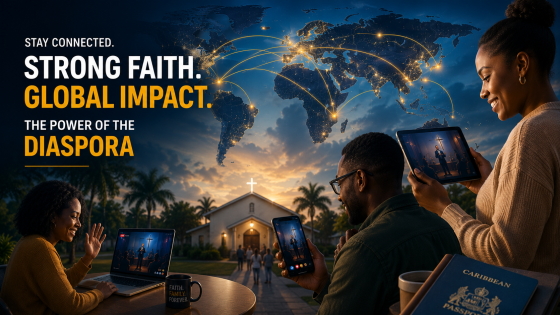
Digital evangelism can help your church stay visible, remain accessible, provide support for members daily, follow up with visitors, reach younger generations, and connect with members who have moved abroad.
Many people struggling with grief, anxiety, loneliness, relationship challenges, or financial pressure, may search online before speaking to a pastor directly.
Digital ministry allows churches to meet people where they already are.
What Is Digital Marketing for Churches?
Digital evangelism is essentially digital marketing. For churches, digital marketing is the intentional use of online tools and strategies to improve communication, outreach, discipleship, and engagement.
Church digital marketing can include:
- Facebook and Instagram posts
- sermon video clips
- church email marketing
- Google Search visibility
- event promotion
- online visitor follow-up
- podcasts and devotionals
- church websites and blogs
Church marketing is not about self-promotion.
It is about communication and connection.
Many churches resist the word “marketing,” but communication has always been part of ministry.
The Apostle Paul used letters.
Churches today use digital platforms.
How Can Small Churches Start Digital Evangelism?
Many pastors believe digital ministry requires expensive equipment, large media teams, or a professional studio. That is not true.
Small churches can begin digital evangelism with:
- A smartphone
- A consistent Facebook page
- A simple email newsletter
- Weekly sermon clips
- A church website
- A WhatsApp prayer group
Consistency matters more than perfection.
One sermon can become:
- multiple social media posts
- an email devotional
- a short YouTube clip
- a blog article
- a podcast episode
This allows churches to extend the life and reach of every message.
Why Churches Need to Stay Connected Beyond Sunday
Church members do not only need support during services.
They also need encouragement as they deal with the challenges of life. Whether work stress, family struggles, illness, grief, uncertainty, or isolation, a word spoken at the right time becomes the relief and the answer they have been seeking.
Digital communication allows churches to remain present throughout the week.
A devotional email, prayer message, encouragement post, or sermon clip can reach someone at the exact moment they need hope.
This is especially important for:
- young adults
- busy families
- elderly members
- people living abroad
- former church members
The church has moved beyond the building.
Ministry must now happen both physically and digitally.
What Platforms Should Churches Use for Digital Evangelism?
Churches should focus on platforms where their communities already spend time.
Popular digital evangelism tools include:
- YouTube
- email newsletters
- podcasts
- church websites
- livestreaming platforms
The goal is not to be everywhere.
The goal is to communicate clearly and consistently.
The Future of Ministry Includes Digital Evangelism
Digital evangelism is not replacing traditional ministry.
It is extending it.
Churches that embrace digital communication strategically will be better positioned to:
- disciple consistently
- grow their reach
- support members daily
- reconnect with inactive members
- strengthen community engagement
- spread the Gospel beyond physical walls
Digital tools are now part of modern ministry stewardship.
And churches willing to adapt thoughtfully will increase their impact far beyond Sunday.
Ready to Start Digital Evangelism?
Your church already has the message.
Now it needs the systems and strategies to help that message reach people consistently beyond Sunday.
Explore our practical training bundles designed to help churches:
- grow their digital presence
- strengthen communication
- follow up with visitors
- build real online impact
Explore the Church Growth Training Bundles and start building your digital evangelism strategy today.
Categories: : artificial intelligence, churches and non-profits, marketing, Online Classes, social media